
It’s been almost a year since I visited Aruba back in April 2025, and I can’t stop thinking about the next time I’ll go back. It had always been a place I heard wonderful things about from people I know who had visited. And anytime I hear consistently amazing reviews about a destination, it automatically gets added to my “Places I Would Love to Visit” list. And after a long and dreary winter in New York, I found myself craving warmth and sunshine. So naturally, I chose to go to Aruba.
From the moment I stepped off the plane, I could immediately sense how beautiful and vibrant the island was. As I settled in and began exploring, I quickly noticed how kind and welcoming the Aruban people were, which added an extra sense of comfort and ease while navigating a new country. The entire essence of the island was breathtaking, from the beaches and the ocean to the cinematic sunsets, and especially the incredible nature I had the chance to explore while I was there. In particular, I visited the Aruba Butterfly Farm, immersed myself in an Authentic Desert Beekeeping Experience, and of course spent time exploring some of the island’s beaches and all of their natural beauty.
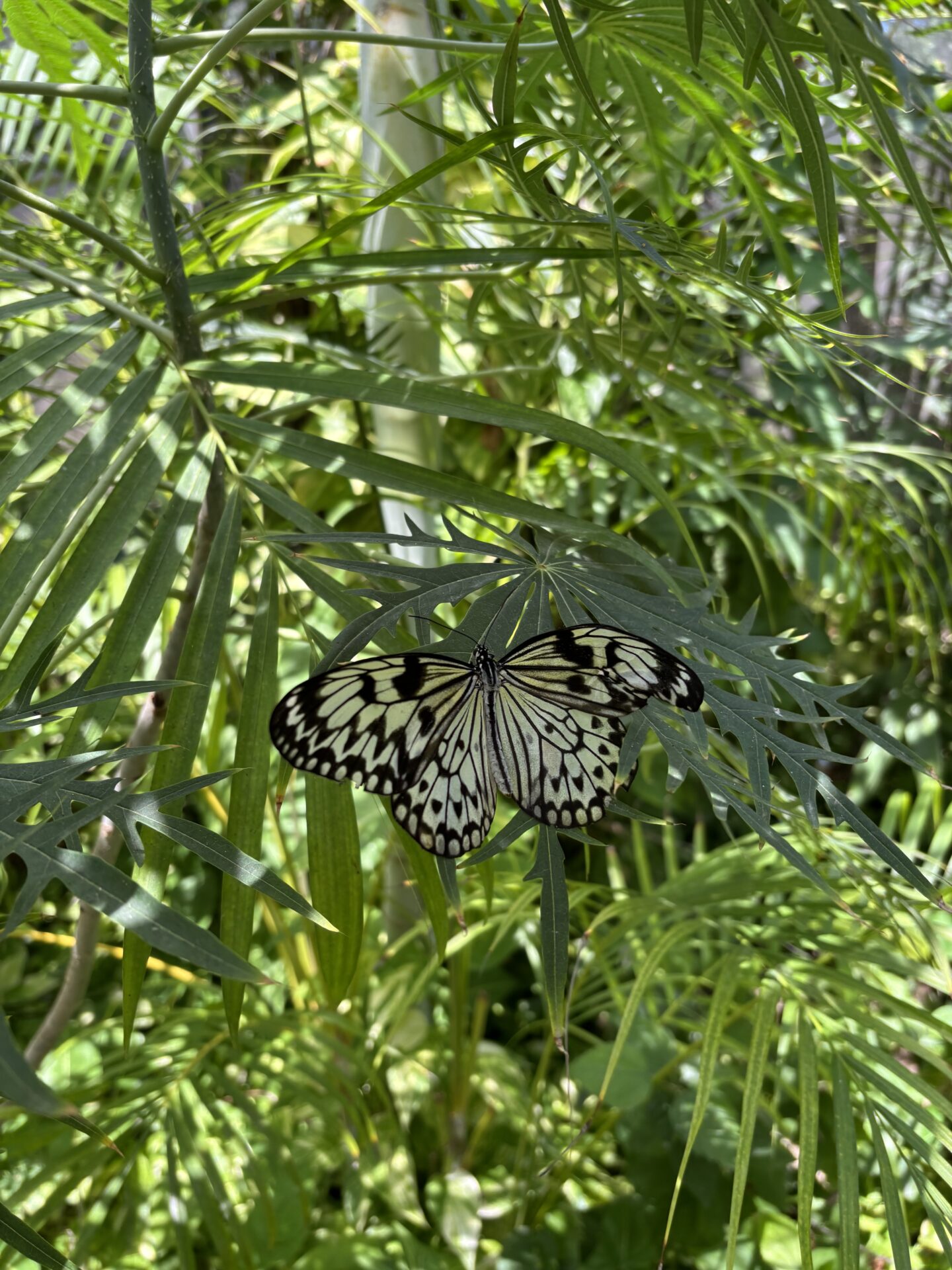
As much as I love butterflies, I was so excited to learn that Aruba had a Butterfly Farm, which is a sanctuary home to hundreds of butterflies from around the world. I was able to experience so many captivating butterflies freely roaming throughout the garden, while also learning about their origins and unique characteristics.
When I arrived, I was taken on a guided tour where I learned about the history of the farm and the important role butterflies play in our ecosystem. One of the most interesting things I learned was that butterflies are often attracted to rotten and fermented fruit because as the sugar breaks down, it turns into alcohol. And as a result, they can become inebriated, causing them to lose coordination, fly in soft circles, or even land on you. Luckily, because butterflies do not have teeth and do not sting, they are completely harmless if they land on you.
I also re-learned about the four stages of a butterfly’s life cycle from an egg, caterpillar, chrysalis, then into a butterfly. Once they reach the butterfly stage, many of them only live for about two to four weeks. Some live even shorter lives of just a few days, while others can live several months depending on the species. In essence, I was very happy that I got to see so many beautiful caterpillars and butterflies in different stages of transformation and experience the diversity of colors and patterns among all the unique butterflies.
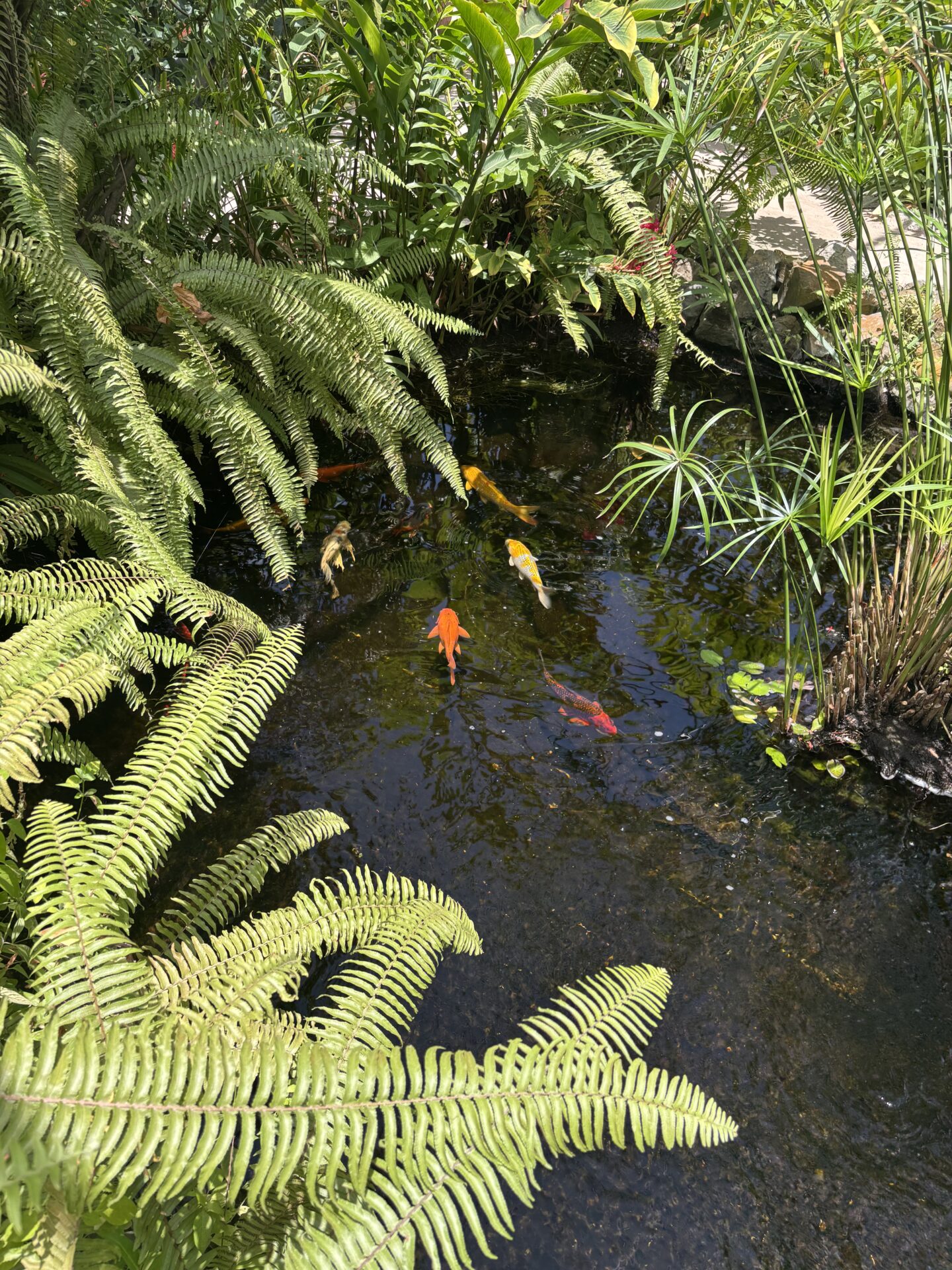
The farm also had Koi Fish, a stunning type of Japanese ornamental fish known for their distinct colors, longevity, and cultural symbolism in Japan. Some of which can live for decades, with certain varieties even reaching up to 100 years. So it was very meaningful that I got to experience both animals in such a peaceful place.
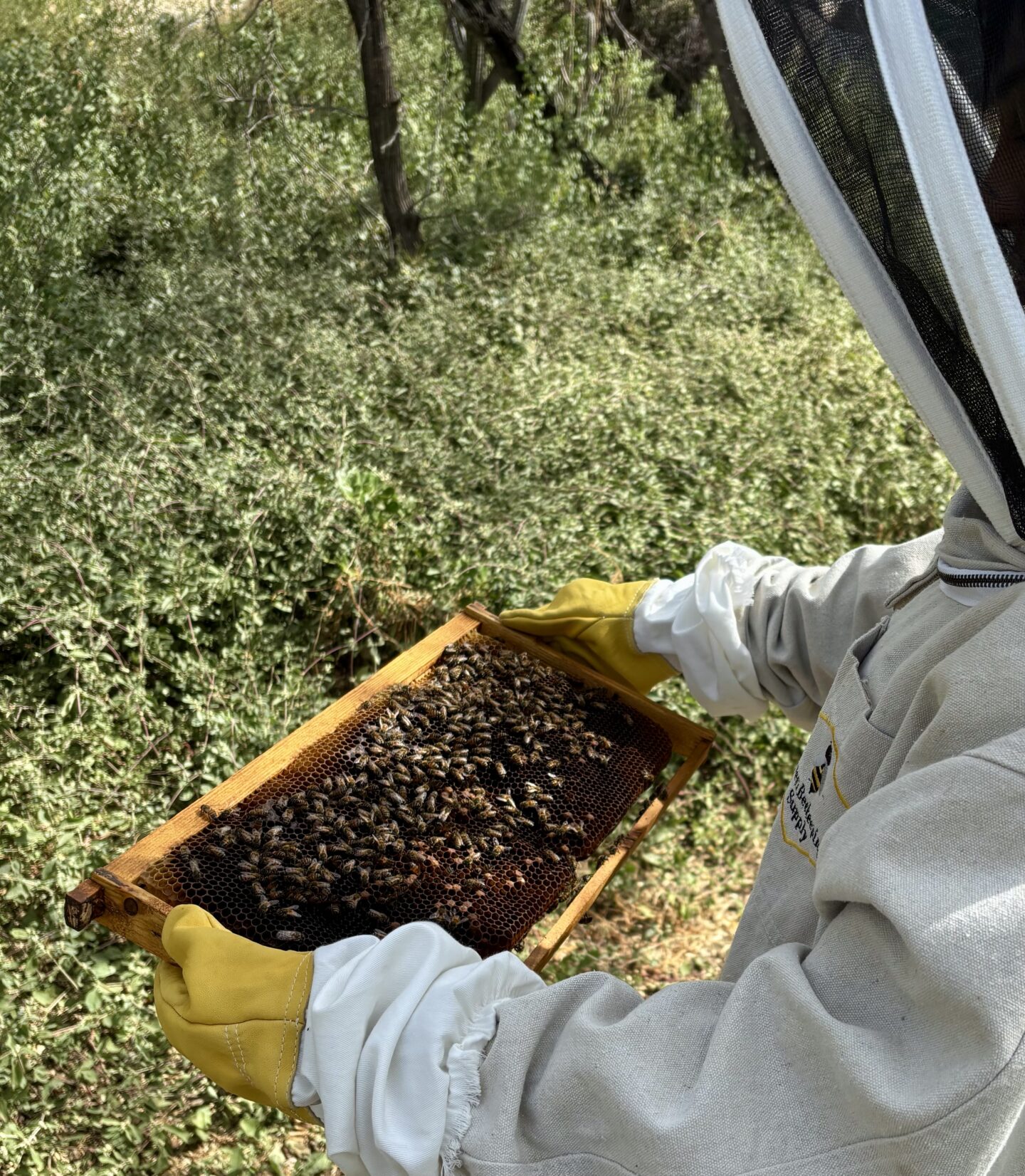
After visiting the Butterfly Farm, I had the chance to experience something different but equally unforgettable, which was an Authentic Beekeeping Desert Experience.
As someone who loves honey, but has never been stung by a bee, I was excited but also slightly nervous. The idea of standing near active hives felt intimidating at first. But not only did I not get stung, but the entire experience felt surprisingly calm and relaxing.
Our tour guide was incredibly knowledgeable and created such a safe and comfortable learning environment. He walked us through the entire beekeeping process, from how honey is made to how it’s ethically harvested in Aruba, and explained the importance of responsible, sustainable practices that protect both the bees and their ecosystem.
One of the most fascinating things I learned was how sensitive bees are to energy. They respond better in calm environments and can actually detect the energy of the people around them. The calmer and more grounded you are, the smoother the experience tends to be. That alone made me more intentional about slowing down and staying calm.
Before actually tasting the honey, we learned about the process of “smoking a beehive” and how vital is it during the entire process. The smoke helps calm the bees by masking the alarm signals they release when they feel threatened. As a result, the bees focus on consuming honey instead of becoming defensive, which makes them far less likely to sting. The materials used in the smoker are carefully selected to keep the bees safe and preserve the purity of the honey. And from there, I was able to taste honey straight from the hive, which was incredibly fresh and delicious. So overall, the experience gave me a whole new appreciation for bees and how impactful they are to society and the environment!
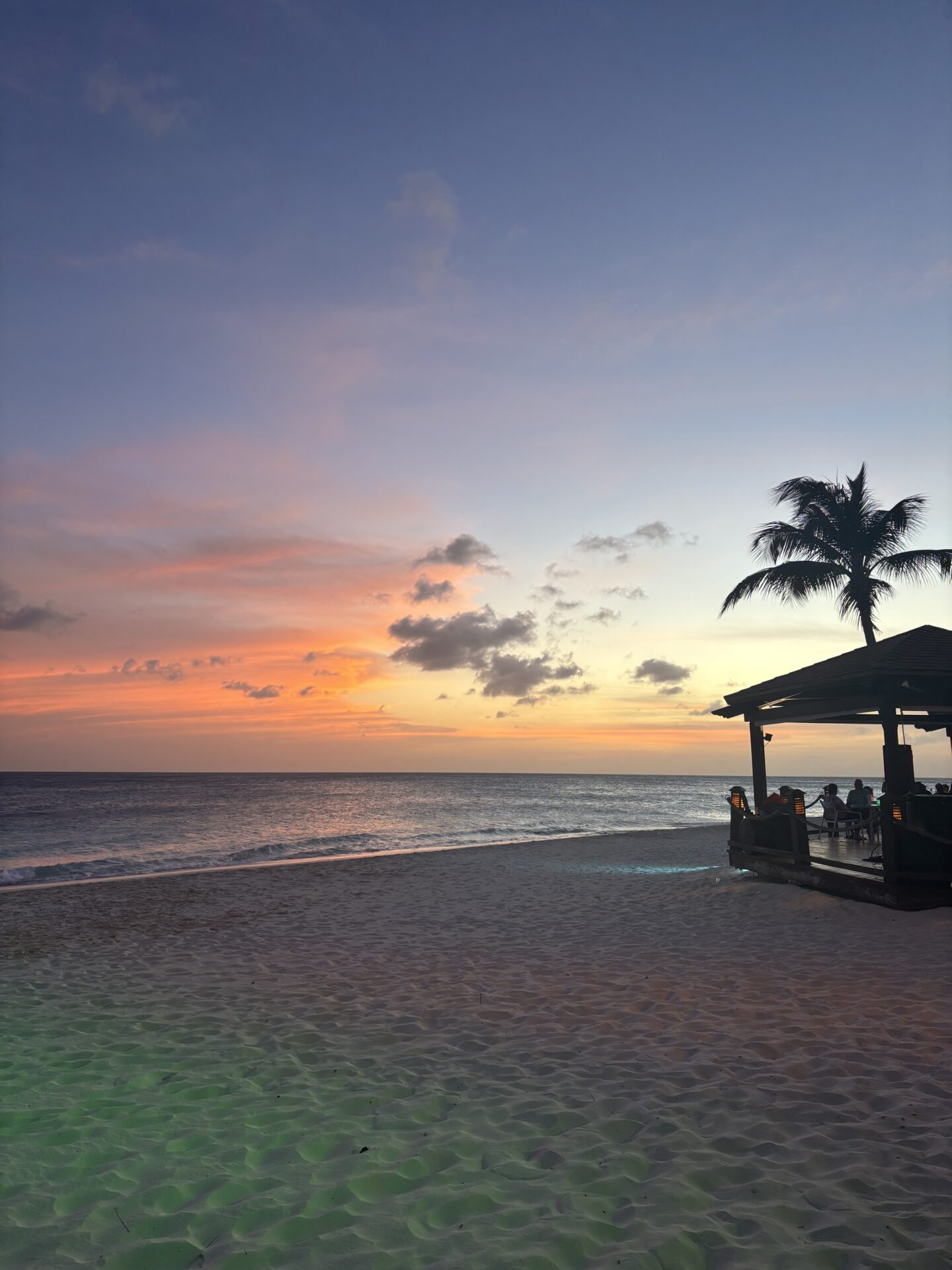
Aside from the various elements of nature I had never explored before, I was also able to fully take in Aruba’s breathtaking beaches. The soft sand beaches and the coral pastel sunsets felt unlike any other beaches I had been to before, but made it easy to simply relax and take everything in.
Though I visited a few different beaches while I was there, I would say that one of the most visited and most popular beaches in Aruba, Eagle Beach, definitely lived up to all that it was praised to be. Known for its wide white sand and iconic Divi Divi trees, which are considered a symbol of Aruba representing the country’s natural beauty, it truly felt just as beautiful in person as it does in photos.

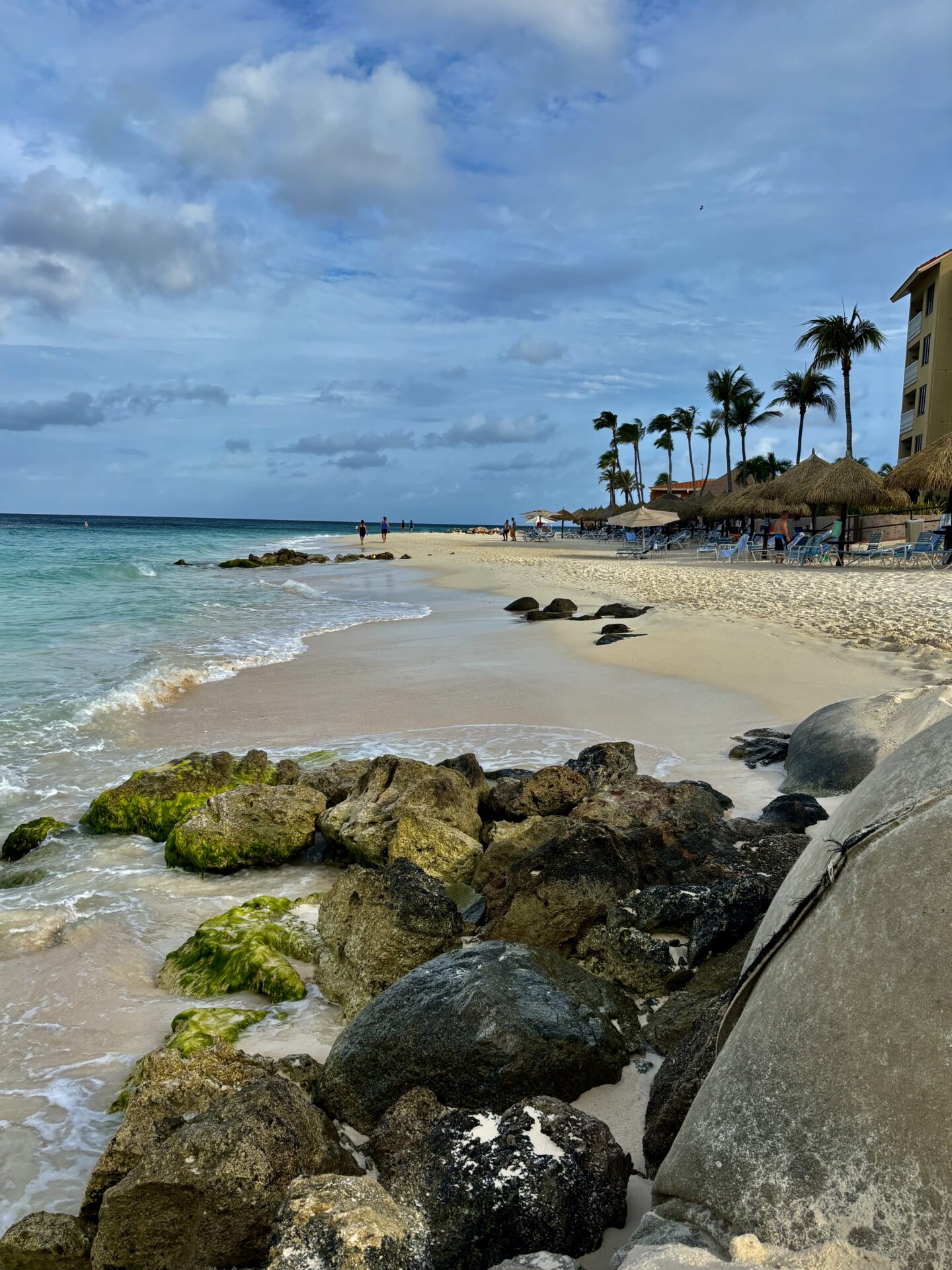
Overall, I can confidently say that Aruba is one of the most beautiful places I have visited in the Caribbean. It’s easy to understand why it’s called “One Happy Island.” From the warmth of the people to the beauty of the country, there is something about Aruba that simply makes you feel lighter, more relaxed, and genuinely happy. I know I left feeling that way, so I’m definitely anticipating the day I get to go back!
Xoxo,
Morgs
